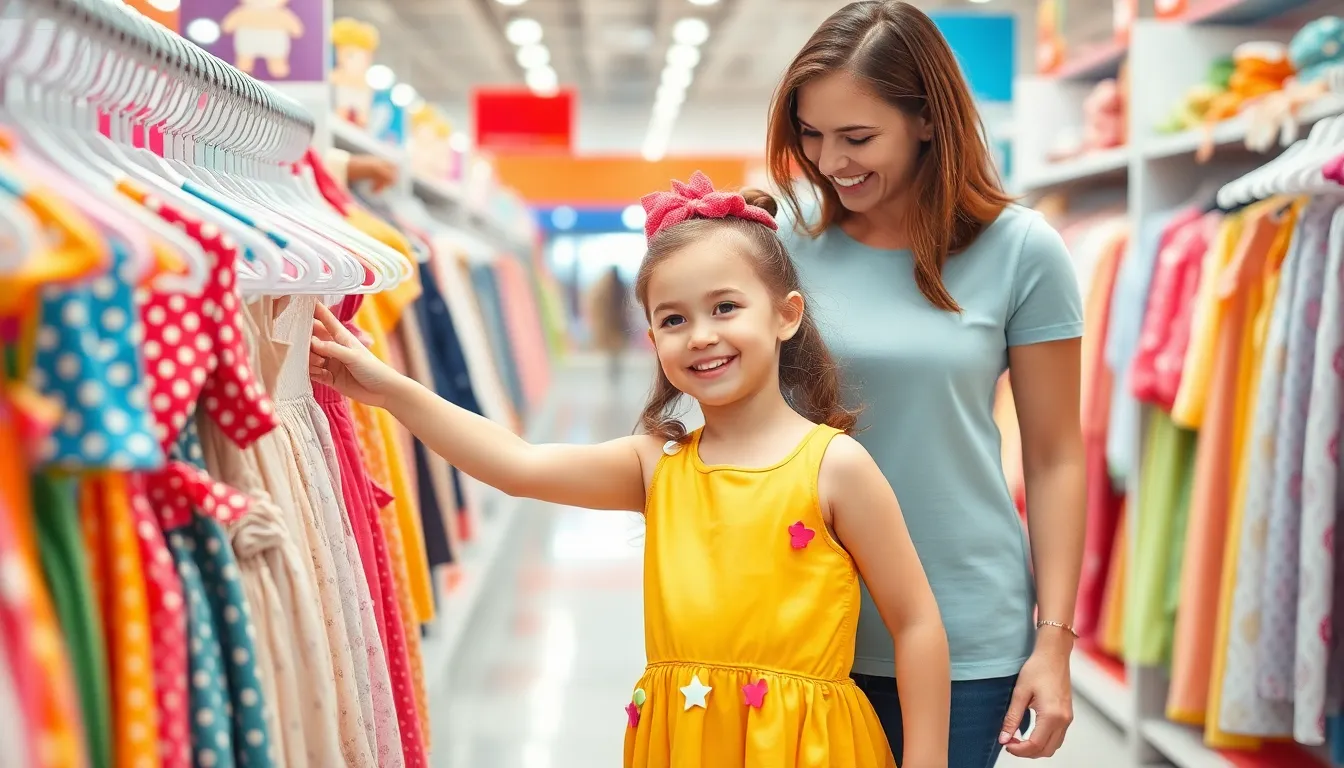
When it comes to understanding the curious world of children’s sizes, parents often find themselves scratching their heads. What does “5 in kids” really mean when shopping for women’s clothing? Spoiler alert: it’s not as straightforward as it sounds! Imagine trying to fit a round peg into a square hole—that’s the fashion conundrum many face.
Understanding Growth Patterns
Growth patterns in children vary significantly. For instance, a child wearing size 5 in kids’ clothing typically aligns with certain measurements, such as height and weight. Understanding these standards helps parents make smarter shopping choices.
Children’s sizes are often based on age and average height. Size 5 generally corresponds to children aged between 4 and 5, measuring about 40 to 43 inches tall. This size often fits kids weighing between 35 and 45 pounds. Knowing these figures enables parents to select appropriate sizes when looking at women’s clothing.
Women’s sizes do not directly correlate; a size 5 in children’s clothing is closer to a size 0 or 2 in women’s. It’s essential to recognize this discrepancy to avoid sizing confusion. Women’s clothing also considers proportions differently, focusing on bust, waist, and hip measurements.
Various brands exhibit different sizing standards, creating further challenges. For example, brand A may consider a size 5 to be 34 inches in the bust, while brand B may list it at 36 inches. Being aware of these variations can ease frustrations when shopping.
Tracking growth patterns remains vital for understanding the transition from kids’ clothing to women’s sizes. Children can shift from size 5 to women’s small in a few years. Hence, monitoring growth and size evolution allows for better shopping experiences and ensures fitting garments.
The Significance of “5 in Kids”
Understanding the significance of “5 in kids” facilitates better shopping choices for parents. Size 5 clothing corresponds to specific developmental stages and growth expectations.
Key Developmental Milestones
Children typically reach distinct developmental milestones around ages 4 to 5. At this stage, physical growth includes an average height of 40 to 43 inches and a weight range of 35 to 45 pounds. Cognitive abilities also expand, with increased language skills and social interactions. Fine and gross motor skills improve as children refine their abilities. Sizing clothing accurately reflects these developmental stages, helping parents make choices aligned with their children’s needs.
Psychological Implications
Choosing the correct size impacts children’s self-esteem and body image. Clothing that fits properly can enhance a child’s confidence as they navigate social interactions. Awareness of sizes can prevent feelings of inadequacy or embarrassment among peers. The connection between clothing and mental well-being plays a significant role at this age, underlining the importance of selecting the right fit. Parents contribute positively to their children’s psychological development by understanding these implications during shopping.
Comparative Analysis: Kids vs. Women’s Growth
Understanding the growth patterns of children compared to women’s sizes is essential. This analysis focuses on specific physical development stages and the emotional and social factors influencing clothing choices.
Physical Development Stages
Children experience significant growth between ages 4 and 5. At this stage, average height ranges from 40 to 43 inches, while weight typically falls between 35 and 45 pounds. Size 5 in children’s apparel aligns with these developmental milestones, reflecting their physical abilities. Growth spurts can occur rapidly during this period, affecting both size and fit. Progression in physical skills, such as coordination and balance, also influences clothing requirements. Recognizing these factors allows parents to choose sizes that accommodate their child’s dynamic growth.
Emotional and Social Factors
Selecting the right clothing size impacts children’s self-esteem and social interactions. A size that fits well fosters confidence during activities with peers. Children develop a sense of identity through clothing choices, linking self-image to their appearance. Proper sizing can mitigate feelings of insecurity or exclusion, particularly during social gatherings or school events. Parents should consider the emotional implications of clothing fit, ensuring that it supports their child’s development and social engagement. Positive experiences in shopping can encourage better body image and social relationships.
Health Considerations
Understanding health considerations is vital for parents navigating children’s clothing sizes. Nutritional needs play a significant role in children’s growth and development.
Nutritional Needs
A balanced diet supports proper growth and development for children around ages 4 to 5. They require sufficient calories, protein, vitamins, and minerals for their active lifestyle. Parents should prioritize fruits, vegetables, whole grains, and lean proteins in daily meals. For instance, calcium and vitamin D aid bone growth and density. Iron-rich foods such as beans and meat support cognitive development. Additionally, healthy fats from sources like avocados enhance brain function. These nutrients contribute directly to achieving and maintaining appropriate sizes.
Common Growth Disorders
Certain growth disorders can significantly impact children’s physical development. Conditions like growth hormone deficiency affect their stature and size, leading to discrepancies when comparing children’s sizes to women’s. Genetic factors may also influence growth patterns, particularly if immediate family members experienced similar issues. Diagnosing early can help manage these disorders effectively. Pediatricians often monitor growth trends, guiding parents on when to seek additional assessments or interventions. Recognizing these potential barriers can improve understanding of sizing and growth expectations, helping parents make informed decisions.
Understanding the relationship between children’s sizes and women’s clothing is essential for parents navigating the world of fashion. Recognizing that a size 5 in kids aligns more closely with women’s sizes 0 or 2 can significantly ease the shopping process.
By being aware of children’s growth patterns and the emotional implications of clothing choices, parents can foster a positive self-image in their kids. Properly fitting clothes not only support physical development but also enhance confidence and social interactions.
With varying sizing standards across brands, taking the time to understand these differences can lead to better purchasing decisions. Ultimately, informed choices about clothing sizes contribute to children’s overall well-being and development.