
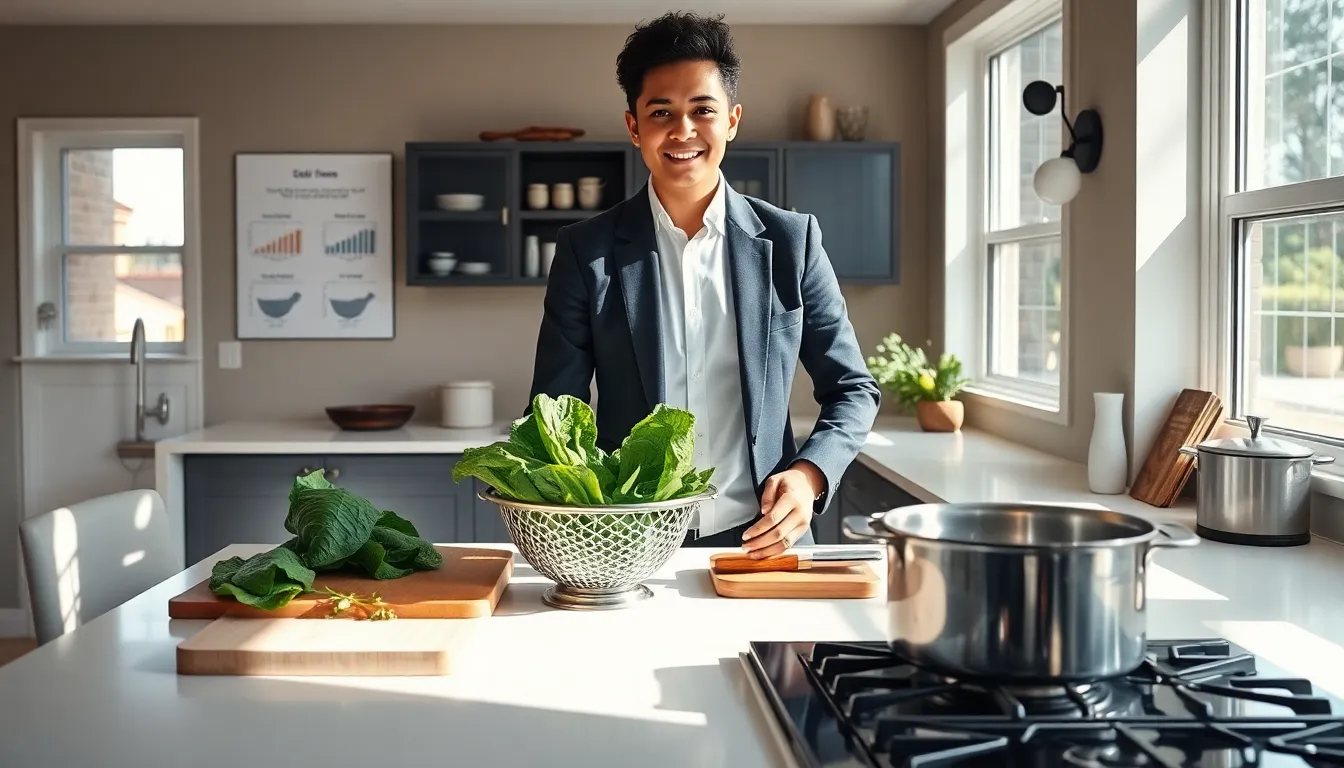
Have you ever stared at a bunch of collard greens and wondered how long they’ll take to cook? Maybe you’ve been sidetracked by all those tantalizing recipes online that boast about their tender, flavorful greens. Fear not. Cooking collard greens can be as easy as pie, if pie were green and packed with nutrients. So, buckle up as we investigate into the world of collard greens. By the end, you’ll know exactly how long to cook them and why they should be your next go-to veggie on the dinner plate.
Understanding Collard Greens
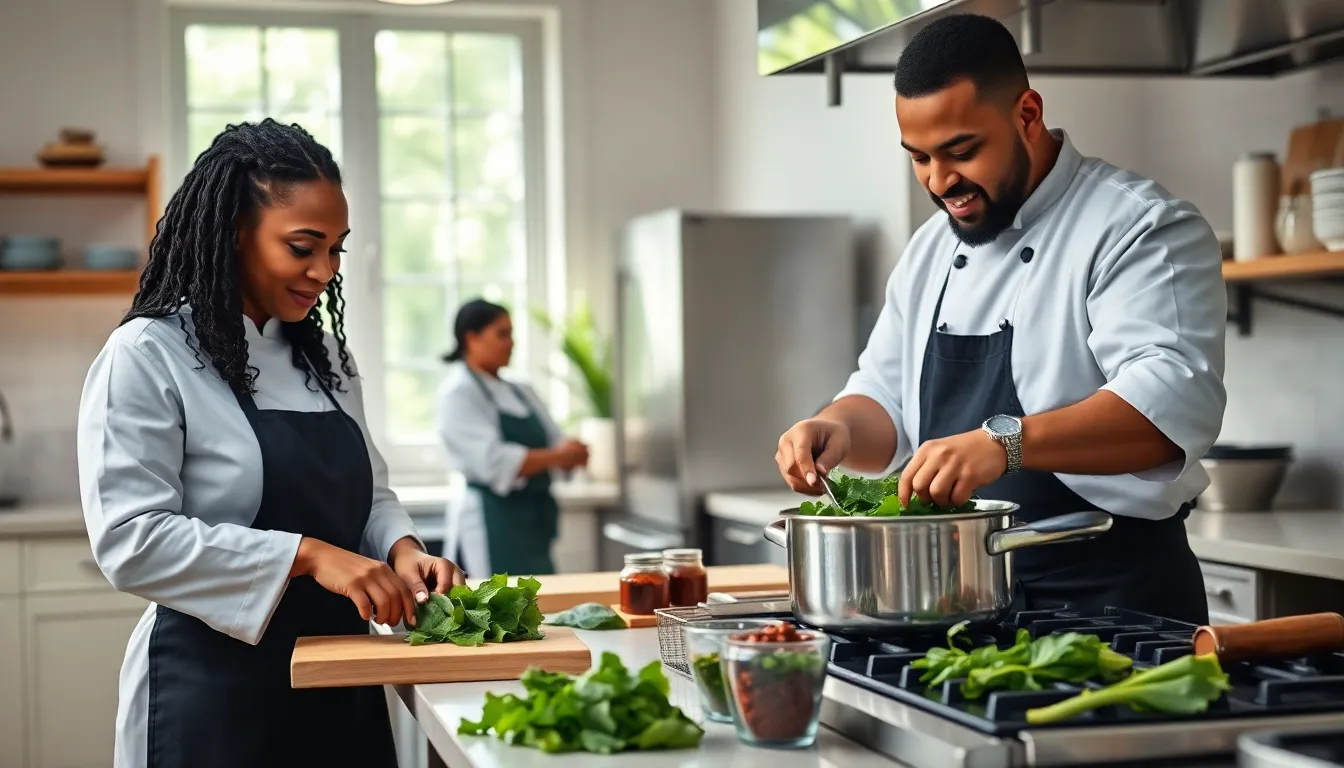
Collard greens, with their broad, dark green leaves, are a staple in Southern cuisine, but their appeal is universal. These leafy gems belong to the cabbage family, which includes kale and Brussels sprouts. Known for their bold flavor and robust texture, they can stand up to hearty cooking methods. They’re often braised or simmered alongside smoked meats for added depth, but they shine just as brightly when prepared simply. With a taste that’s earthy yet slightly bitter, collards easily absorb spices and seasonings, making them versatile in countless dishes.
Nutritional Benefits of Collard Greens
When it comes to nutrition, collard greens are a powerhouse. Just one cup of boiled collard greens delivers significant amounts of vitamin K, vitamin A, and calcium. They’re low in calories yet high in fiber, which helps with digestion and keeps you feeling full longer. Packed with antioxidants, these greens benefit heart health and may even reduce the risk of chronic diseases. Essentially, they’re not just great on flavor: they’re fantastic for your body too.
Preparation Steps for Cooking Collard Greens
Before diving into cooking, it’s essential to prep those greens. Start by washing them thoroughly to remove any dirt or grit. Once rinsed, remove the tough stems from the leaves: they can be slightly fibrous and tough when cooked. Chop the leaves into smaller pieces, making them easier to handle in the kitchen and on your plate. This simple preparation step sets the stage for the cooking process.
Cooking Methods for Collard Greens
There are several delicious ways to cook collard greens, each varying slightly in time and technique. Some popular methods include boiling, sautéing, and steaming, each lending its unique flavor and texture to the greens.
Boiling Collard Greens: Time and Tips
Boiling might be the most straightforward method. To boil collard greens, simply place them in a pot of salted boiling water. The cooking time generally takes about 10 to 15 minutes, depending on the size of your pieces. It’s important to taste them for doneness, collard greens should be tender but still vibrant green. To enhance flavor, try adding garlic, onions, or even a splash of vinegar to the water.
Sautéing Collard Greens: Time and Tips
For a quicker, more flavorful option, consider sautéing. Simply heat a bit of olive oil in a pan, add minced garlic, and toss in the collard greens. They cook quickly, around 5 to 10 minutes, relying on the high heat to wilt and soften. The result is a more intense flavor with a delightful texture, and the garlic adds an irresistible aroma.
Steaming Collard Greens: Time and Tips
Steaming is another excellent technique that preserves nutrients. Place the greens in a steamer basket over boiling water and steam for about 7 to 10 minutes. This method keeps the collards tender yet firm, locking in their vibrant color and nutrients, making for a nutritious side dish.
Slow Cooking Collard Greens: Time and Tips
If you prefer a more hands-off cooking experience, slow cooking is your friend. Simply toss your prepped greens into a slow cooker with some broth, bacon, or your favorite spices. Set it on low for roughly 6 to 8 hours, or on high for about 3 to 4 hours. The slow cooker method allows the collards to absorb the flavors thoroughly, resulting in a rich, velvety dish that pairs beautifully with cornbread or rice. This method is perfect for meal prepping, too.
Factors That Affect Cooking Time
Cooking times for collard greens can vary. The age of the greens is a notable factor, older greens tend to be tougher and may require a longer cooking time, while younger leaves are more tender and cook quickly. The size of your cuts matters as well: larger pieces take longer to soften. Also, how you prefer your collards, whether tender or with a bit of bite, can influence cooking time. Experimenting with different methods and seasonings can also lead to delightful variations.

