
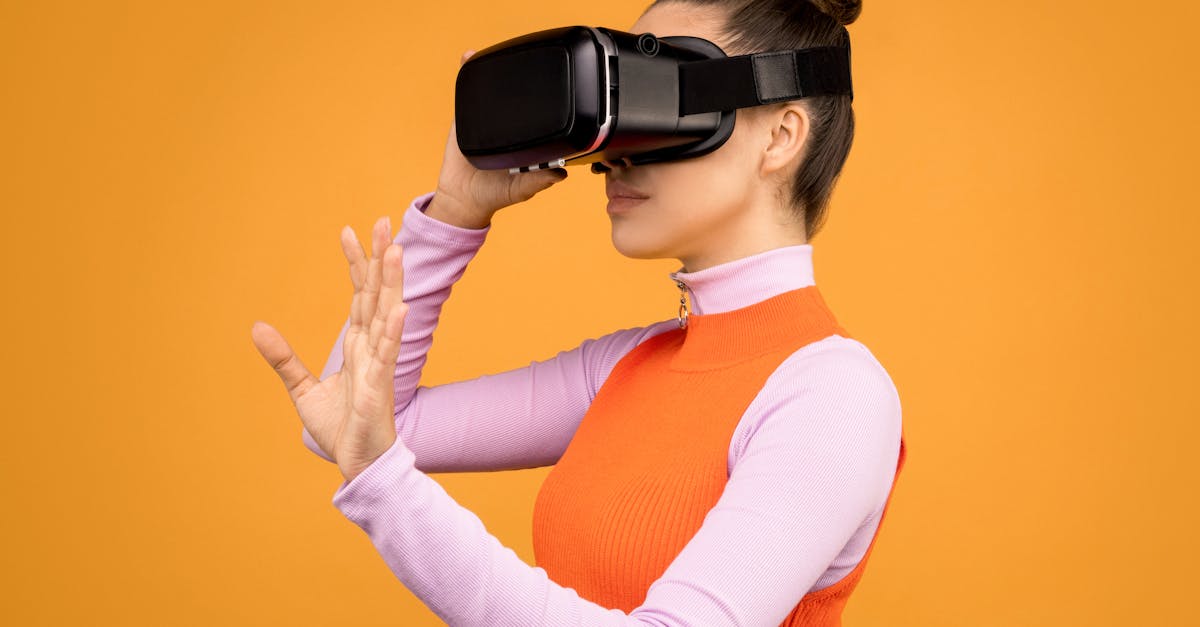
In a world where technology seems to be advancing faster than the speed of light, augmented reality (AR) and virtual reality (VR) have emerged as the dynamic duo of digital experiences. Imagine slipping on a headset and being transported to a galaxy far, far away, or simply pointing your phone at a wall and watching it transform into a vibrant art gallery. Both AR and VR offer thrilling escapades, but they’re not the same.
While VR immerses users in entirely new worlds, AR enhances the real one with a sprinkle of digital magic. It’s like having your cake and eating it too—if that cake was made of pixels and possibilities. So, let’s dive into the playful rivalry between these two tech titans and discover which one might just be the perfect fit for your next adventure.
Table of Contents
ToggleOverview of Augmented Reality and Virtual Reality
Augmented reality (AR) and virtual reality (VR) offer unique digital experiences that continue to transform various industries. Understanding their distinct definitions clarifies how each technology operates.
Definition of Augmented Reality
Augmented reality overlays digital information onto the real world. Users experience this enhancement through devices like smartphones or AR glasses, which display visuals that interact with the physical environment. Popular applications include mobile games such as Pokémon GO and navigation tools that provide additional layers of information. These experiences blend seamlessly with reality, allowing interaction with both physical and digital elements simultaneously.
Definition of Virtual Reality
Virtual reality creates a fully immersive digital environment. Users wear VR headsets that block the real world, transporting them into entirely computer-generated settings. This technology finds numerous applications, including gaming, training simulations, and virtual tours. Experiences in VR can simulate daily activities or fantastical adventures, allowing users to engage in interactions that might be impossible in the physical realm. The rich sensory input enhances realism, providing a profound sense of presence within the virtual space.
Key Differences Between Augmented Reality and Virtual Reality
Augmented reality (AR) and virtual reality (VR) present distinct experiences rooted in their unique characteristics. Understanding their differences is essential for choosing the right technology for specific applications.
Immersion Levels
Immersion levels vary significantly between AR and VR. AR overlays digital elements onto the real world, allowing users to interact with both physical and virtual objects simultaneously. This creates a blended experience, where real environments remain visible. In contrast, VR offers complete immersion, transporting users into entirely computer-generated worlds. Users wearing VR headsets cannot see their real surroundings, which intensifies the sensation of being in a different environment. Various applications, such as gaming and training, leverage these immersion levels differently, showcasing the technological capabilities of each medium.
User Interaction
User interaction differs in AR and VR, affecting how people engage with technology. AR allows direct interaction with digital information while remaining aware of the real world. For example, users can manipulate virtual objects while walking through physical spaces. VR, however, emphasizes full immersion, requiring interactions often through hand controllers or motion sensors. This setup promotes unique interactions with virtual environments, creating a sense of presence. Understanding these interaction styles clarifies how each technology can be utilized in different scenarios, from entertainment to professional training.
Applications of Augmented Reality
Augmented reality (AR) finds diverse applications across multiple fields. Its integration into different industries showcases its versatility and potential.
In Education
Augmented reality transforms traditional learning experiences. Interactive lessons engage students with visual elements, allowing them to explore concepts dynamically. For example, AR applications help students visualize complex subjects like anatomy or astronomy. Students can interact with 3D models, fostering deeper comprehension. Enhanced learning outcomes occur because visual stimuli capture attention better than text alone. Numerous educational institutions adopt AR for its effectiveness in promoting engagement and understanding.
In Retail
Augmented reality revolutionizes the retail sector by enhancing the customer shopping experience. Shoppers can visualize products in their own spaces using AR apps before making a purchase. This technology bridges the gap between online and physical shopping, enabling customers to gain confidence in their choices. For instance, furniture retailers use AR to let customers see how items fit into their homes. Increased customer satisfaction often results from this ability to visualize. Brands actively invest in AR to differentiate themselves and improve consumer interaction.
Applications of Virtual Reality
Virtual reality (VR) finds numerous applications across various sectors, providing transformative experiences in gaming, therapy, and more.
In Gaming
Gaming stands out as one of the most prominent applications of VR technology. Players immerse themselves in lifelike environments that enhance their gaming experience. Popular VR games, such as Beat Saber and Half-Life: Alyx, allow users to engage with virtual worlds unlike any other. Action, adventure, and puzzle genres benefit immensely from the immersive nature of VR. Players interact with characters and environments in ways that traditional games can’t replicate. This level of engagement keeps gamers returning for more dynamic, realistic experiences.
In Therapy
Therapeutic applications of VR demonstrate its potential in mental health treatment. Virtual environments create safe spaces for exposure therapy, helping individuals confront fears in controlled settings. Studies show that VR helps decrease anxiety and phobias among patients. Practitioners utilize VR to simulate real-world scenarios, enabling clients to practice coping strategies. PTSD treatments also incorporate VR to assist users in processing traumatic memories. These innovative approaches enhance therapeutic outcomes and highlight VR’s versatility in healthcare.
Advantages and Disadvantages
Understanding the advantages and disadvantages of augmented reality (AR) and virtual reality (VR) helps users choose the right technology for their needs. Below are key points for each technology.
Pros of Augmented Reality
Augmented reality enhances real-world experiences by overlaying digital information. Increased engagement occurs as users interact with their surroundings. Education benefits significantly through interactive lessons, fostering better comprehension. Retail businesses leverage AR to improve customer experiences, allowing product visualization at home. Navigation systems become more intuitive, guiding users with additional context. Many industries adopt AR for training, creating realistic scenarios that enhance skill development. Flexibility remains a critical advantage, accommodating various devices such as smartphones and AR glasses.
Cons of Augmented Reality
Augmented reality presents challenges concerning device limitations. Not all smartphones or AR glasses support AR technologies, which restricts access. Some users may experience distractions as digital overlays could hinder focus on real environments. Privacy issues arise when AR apps collect personal data for enhanced functionality. Battery consumption increases during AR usage, leading to decreased device performance. Furthermore, the learning curve associated with AR applications may dissuade less tech-savvy users. Finally, inconsistent experiences can emerge due to differing quality levels among applications, impacting user satisfaction.
Pros of Virtual Reality
Virtual reality delivers fully immersive environments, offering unparalleled experiences. This immersion creates a strong sense of presence, making users feel as if they truly occupy another world. Gaming benefits enormously from VR, allowing for lifelike engagement in titles such as Beat Saber. Therapy applications demonstrate effectiveness in treating phobias and anxiety through controlled exposure. Training simulations in various sectors prepare individuals for real-life scenarios, improving safety and skill acquisition. Social interactions occur in virtual spaces, enabling connections among users regardless of geographical limitations. Finally, high-quality VR content continues to expand, fostering diverse experiences for users.
Cons of Virtual Reality
Several drawbacks accompany virtual reality technology. High costs associated with quality VR headsets may deter potential users. Motion sickness remains a common issue, as some people experience discomfort during extended sessions. Limited physical movement can occur when users navigate tightly confined spaces, impacting immersion. Available content varies significantly, with some users finding insufficient options for engaging experiences. Additionally, isolation can develop when users become disconnected from the real world for long periods. Regular updates and maintenance are necessary to ensure optimal performance, requiring ongoing investment in both hardware and software.
Both augmented reality and virtual reality offer unique experiences that cater to different needs and preferences. AR enhances the real world with digital elements making it ideal for interactive learning and shopping experiences. On the other hand VR provides complete immersion in virtual environments perfect for gaming and therapeutic applications.
As technology continues to evolve both AR and VR will likely become more integrated into everyday life. Users should consider their specific goals and interests when choosing between these two innovative technologies. Whether seeking immersive entertainment or enhanced real-world interactions each option holds exciting potential for the future.

