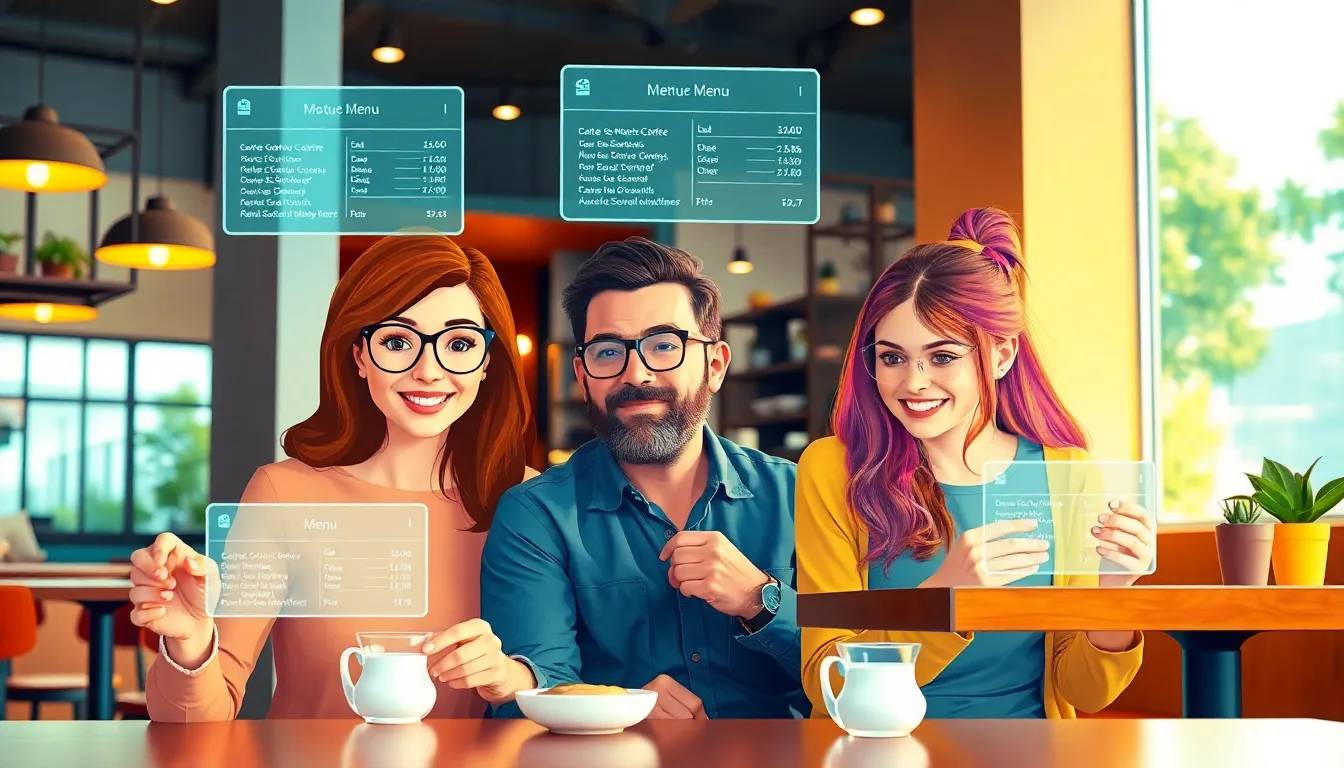
Imagine walking into a coffee shop and instantly seeing a holographic menu floating above the counter, tailored just for you. That’s the magic of Augmented Reality (AR), and it’s not just for sci-fi movies anymore. As technology evolves, AR is poised to transform everything from shopping to education, making mundane tasks feel like an adventure.
Current State of AR Technology
Augmented Reality (AR) technology continues to grow rapidly, reshaping various industries. The potential to enhance everyday experiences becomes increasingly apparent.
Key Players in the Industry
Tech giants such as Apple, Google and Microsoft lead AR development. Apple invests heavily in ARKit, facilitating app creation for AR on iOS devices. Google’s ARCore serves a similar purpose for Android, making it accessible on numerous smartphones. Microsoft’s HoloLens exemplifies AR’s enterprise use, targeting sectors like healthcare and manufacturing. Smaller startups contribute fresh ideas as well. Companies like Magic Leap focus on immersive experiences, pushing boundaries in AR applications.
Latest Innovations and Trends
Recent innovations highlight AR’s transformative capabilities. Wearable AR devices gain popularity, improving user interaction through hands-free experiences. Mobile AR apps expand, with gaming and retail sectors embracing AR features. Integration with IoT devices enhances interaction possibilities. Social media platforms also incorporate AR filters, increasing engagement. These trends indicate a shift towards mainstream adoption of AR technology, affecting daily life and business functions.
Predictions for the Future of AR
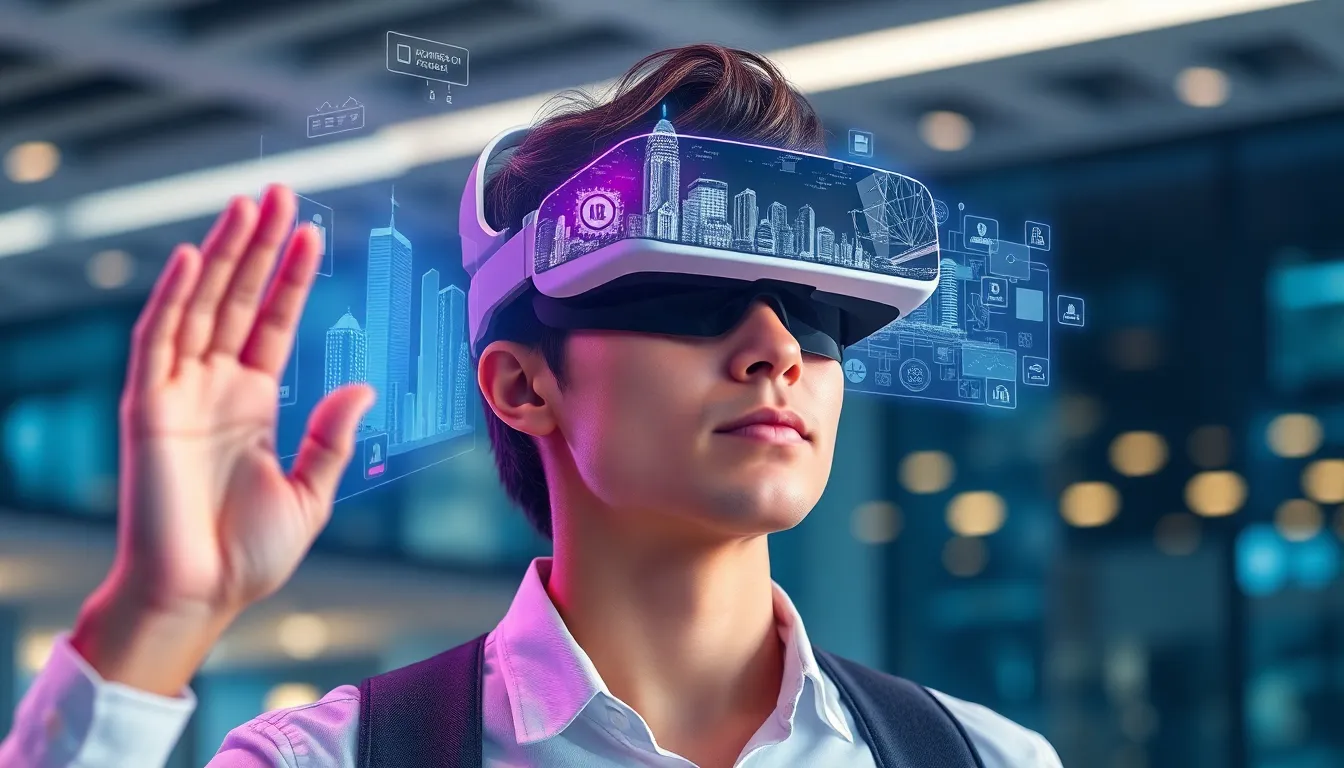
Augmented Reality (AR) is set to experience significant growth as technology advances, shaping everyday interactions and business operations.
Advancements in Hardware
Innovations in hardware will enhance the AR experience. Lighter headsets, such as those from Apple and Microsoft, will improve usability. Improved sensors will allow for greater precision in recognizing environments. Enhanced battery life ensures longer usage without interruptions. Furthermore, integration with emerging technologies like 5G will enable faster data processing and richer experiences. These advancements will redefine how users engage with both virtual and physical environments.
Software Developments
Software innovations will drive AR’s versatility. AR applications will expand across industries, from healthcare to entertainment. User-friendly interfaces will help non-technical users adopt AR tools. Machine learning will enable personalized experiences based on user preferences. Additionally, cloud computing will facilitate complex AR operations and storage solutions, improving accessibility. The focus on seamless integration with existing platforms will promote widespread adoption.
Impact on Various Industries
Augmented Reality (AR) continues to reshape numerous industries, enhancing efficiency and engagement across the board.
Healthcare
AR technology transforms healthcare by providing innovative solutions for training and patient care. Surgeons utilize AR for enhanced visualization during procedures, leading to improved precision. Medical students benefit from AR simulations, allowing them to practice techniques in a risk-free environment. Patients experience greater understanding through AR visualizations of their conditions and treatment options. With continued advancements, AR applications could further streamline operations and improve patient outcomes.
Education
In education, AR creates immersive learning experiences that engage students more effectively. Interactive content enhances comprehension of complex subjects like science and history. Teachers incorporate AR applications into lessons, fostering collaboration among students. Traditional textbooks can be supplemented with AR visuals, sparking curiosity and deeper exploration. Collaborations between educators and AR developers will likely result in more tailored educational tools, further enriching the learning process.
Entertainment
Entertainment industry dynamics shift with AR integration, offering audiences unique and interactive experiences. Game developers implement AR to create engaging gameplay that blends the digital and real worlds. Live events adopt AR technologies, providing fans with enhanced viewing experiences through digital overlays. Viewers often find themselves immersed in storylines, thanks to AR’s ability to bring narratives to life. Continued AR evolution promises exciting developments, redefining how entertainment is consumed.
Challenges Facing AR Adoption
Augmented Reality faces several challenges hindering its widespread adoption. Addressing these obstacles is crucial for tapping into its full potential.
Technical Limitations
Technical challenges significantly impact AR’s integration into daily life. Devices may lack the processing power required for seamless experiences, leading to lag and poor performance. Display technology needs to improve for clearer, more immersive visuals. Limited battery life restricts extended use, requiring more frequent recharges. Furthermore, software compatibility issues can disrupt user experiences and confuse developers. Scalability also poses a challenge, with many applications needing robust infrastructure to handle increasing user demands.
Market Acceptance
Market acceptance involves consumer readiness and willingness to adopt AR technology. Concerns about privacy and data security often deter users from embracing AR applications. Users also require clear value propositions to justify investments in new devices and apps. Additionally, a lack of understanding about AR’s capabilities may hinder widespread enthusiasm. Companies must educate consumers while demonstrating practical benefits across sectors to enhance acceptance. Collaborations with established brands can boost trust in AR solutions, leading to greater market penetration.
The future of Augmented Reality promises to be transformative across various sectors. As technology continues to evolve AR will become more integrated into daily life enhancing how people interact with their environments. With advancements in hardware and software the potential for personalized and immersive experiences is limitless.
Challenges remain but addressing them through education and collaboration can pave the way for broader acceptance. As industries embrace AR’s capabilities the impact on healthcare education and entertainment will redefine user engagement and operational efficiency. The journey of AR is just beginning and its influence will only grow in the coming years.