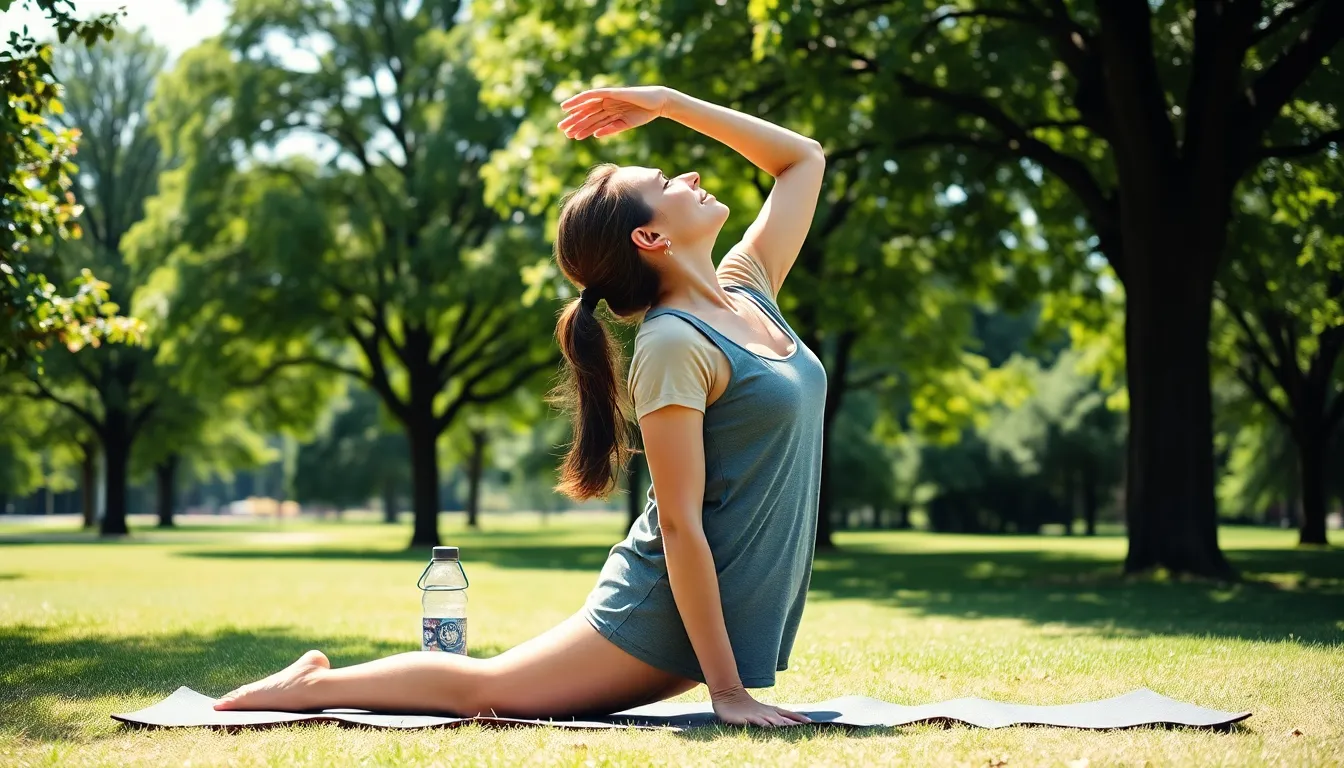
Yoga isn’t just for the flexible folks who can twist themselves into a human pretzel. It’s for everyone—yes, even those who think downward dog is a new breed of puppy. This ancient practice offers a treasure trove of benefits, from reducing stress to improving flexibility, and it’s high time to roll out that mat and give it a shot.
Understanding Yoga
Yoga integrates physical postures, breath control, and meditation. Many find it fosters a deep sense of connection between the body and mind. Practitioners of all levels can engage in yoga, making it a universally accessible practice.
Different styles of yoga exist, including Hatha, Vinyasa, and Ashtanga. Hatha yoga focuses on basic postures and is ideal for beginners. Vinyasa incorporates dynamic movements synchronized with breath, promoting flow and flexibility. Ashtanga involves a more rigorous series of postures, emphasizing strength and endurance.
In addition to improving flexibility, yoga strengthens muscles and enhances balance. Many studies show regular practice reduces stress and anxiety levels. Mental clarity often increases with yoga, leading to improved focus and concentration.
Breath control plays a vital role in yoga practice. This technique, known as pranayama, enhances energy flow and calming effects. By focusing on breath, practitioners can access deeper states of relaxation.
Yoga promotes mindfulness, encouraging individuals to stay present in their bodies. This awareness creates a greater understanding of personal limits and capabilities. Each session provides an opportunity for self-exploration and personal growth.
Regular practice can lead to physical and mental transformation. Participants may experience better sleep patterns and enhanced emotional stability. Overall, understanding yoga’s principles helps individuals maximize benefits and cultivate a deeper, more fulfilling practice.
Preparing for Your Yoga Practice

Preparing for a yoga practice sets the foundation for an effective session. Thoughtful considerations enhance the experience, making each practice fulfilling.
Choosing the Right Space
Finding the right space plays a crucial role in yoga practice. A quiet environment allows for focus and relaxation. Whether indoors or outdoors, the area should be free from distractions. Adequate space for movement is essential, enabling the practice of various poses without obstruction. Ideally, choose a place with good lighting and fresh air. Personal touches like plants or calming decor can further create a soothing atmosphere. In essence, the right setting enriches the overall practice.
Essential Yoga Equipment
Specific equipment enhances the effectiveness of yoga sessions. A quality yoga mat provides grip and cushioning while practicing poses. Comfortable clothing allows for movement without restrictions. Props such as blocks, straps, and bolsters offer support, especially for beginners. A water bottle stays handy, ensuring hydration throughout practice. Some may benefit from using a blanket for added comfort during seated or restorative poses. By utilizing the right equipment, individuals can enjoy a more productive yoga experience.
Basic Yoga Poses
Practicing foundational yoga poses builds strength and flexibility. These essential positions form the basis for more advanced techniques.
The Mountain Pose
The Mountain Pose, or Tadasana, establishes proper alignment and posture. Standing tall with feet together, grounding through the feet enhances stability. Arms rest by the sides or reach overhead, promoting openness in the chest. Breathing deeply while holding the pose fosters a sense of calm. This standing pose strengthens thigh muscles, improves posture, and enhances overall body awareness.
The Downward-Facing Dog
The Downward-Facing Dog, or Adho Mukha Svanasana, resembles an inverted V-shape. Placing hands and feet on the mat, pressing the hips up encourages spinal elongation. Engaging core muscles and spreading fingers wide provides support. This pose stretches the hamstrings, calves, and shoulders, promoting flexibility. Holding the position for several breaths increases blood flow, elevating energy levels.
The Child’s Pose
The Child’s Pose, or Balasana, offers a moment of rest and introspection. Kneeling on the mat, sitting back on the heels allows for deep stretching. Wrapping the arms around the legs or extending them forward creates a sense of safety. This restorative pose calms the mind while gently stretching the back and hips. Deep breathing while in this pose encourages relaxation, making it an ideal option between challenging poses.
Establishing a Routine
Creating a consistent yoga routine enhances practice effectiveness and integration into daily life. Regular engagement with yoga positions promotes ongoing improvement and overall well-being.
How Often to Practice
Practicing yoga three to five times a week suits many individuals. This frequency allows for sufficient recovery while still fostering progress. Even short sessions of 15-30 minutes can yield beneficial outcomes. Flexibility in scheduling supports adherence to routines, so choosing times that fit personal lifestyles boosts consistency. Varying practice types throughout the week can also maintain interest and challenges. For example, practicing Hatha on some days and Vinyasa on others ensures a balanced approach.
Setting Realistic Goals
Setting realistic goals enhances motivation and keeps practice enjoyable. Focus on achievable milestones, such as mastering a specific pose or maintaining breath control in challenging positions. Small, incremental advancements lead to significant improvements over time. Evaluate personal preferences and capabilities to determine appropriate goals. Incorporating flexibility into goal-setting allows for adjustments based on progress or changes in circumstances. Tracking achievements can also provide motivation, highlighting growth on the yoga journey.
Tips for Beginners
Practicing yoga requires thoughtfulness and awareness. Here are some essential tips to consider.
Breathing Techniques
Mastering breathing techniques enhances a yoga practice significantly. Focused breathing, or pranayama, increases oxygen flow and promotes relaxation. Try inhaling deeply through the nose, filling the belly, then exhaling slowly through the mouth. This process calms the mind and grounds the practitioner. Integrating breath with movement during poses deepens awareness. Each inhalation sets the stage for movements, while each exhalation can emphasize relaxation and release. Remember to maintain a steady rhythm; consistency contributes to a smoother practice.
Listening to Your Body
Listening to the body is crucial during yoga. Awareness of physical sensations informs practitioners when to push boundaries and when to retreat. Each person’s flexibility and strength differ, so adjusting poses to fit individual limitations promotes safety. Signs of discomfort indicate the need for modification or rest. Practitioners should embrace their unique journey and not compare themselves to others in the class. Respecting limits allows for gradual progress and helps avoid injuries, ensuring a more sustainable practice over time. Prioritizing personal comfort encourages a positive experience and motivation for continued practice.
Embracing yoga can transform both body and mind. By exploring different styles and poses individuals can find what resonates with them and enhances their practice. Establishing a consistent routine fosters growth and allows practitioners to experience the many benefits yoga offers.
Creating a supportive environment and using the right equipment further enriches the journey. As individuals listen to their bodies and prioritize comfort they cultivate a fulfilling practice that promotes mindfulness and self-awareness.
Ultimately yoga is a personal journey that encourages continuous learning and self-discovery. With dedication and patience anyone can unlock the profound benefits this ancient practice provides.