Augmented Reality (AR) is like that friend who can’t resist elbowing their way into every conversation, always blending seamlessly into our lives while adding that extra twist. Whether you’re popping on AR glasses or playing with an app that transforms your living room into a dragon’s lair, AR is reshaping interactions between the digital and physical worlds. Have you ever wondered just how many flavors of AR are out there? Well, buckle up, because we’re about to jump into the captivating universe of augmented reality and uncover its various types, from markers that guide us to overlays that bring imagination to life. Spoiler alert: it’s a wild ride full of innovation and creativity.
Overview of Augmented Reality

Augmented Reality, or AR, is a technology that superimposes digital information onto the real world, enhancing the user’s perception of their environment. With the advent of smartphones and AR-enabled devices, this technology has become more accessible than ever. The overarching aim is to enrich reality with contextual information, providing a more engaging user experience. Imagine pointing your phone at a city landmark and instantly getting a historical overview, this is just the tip of the iceberg.
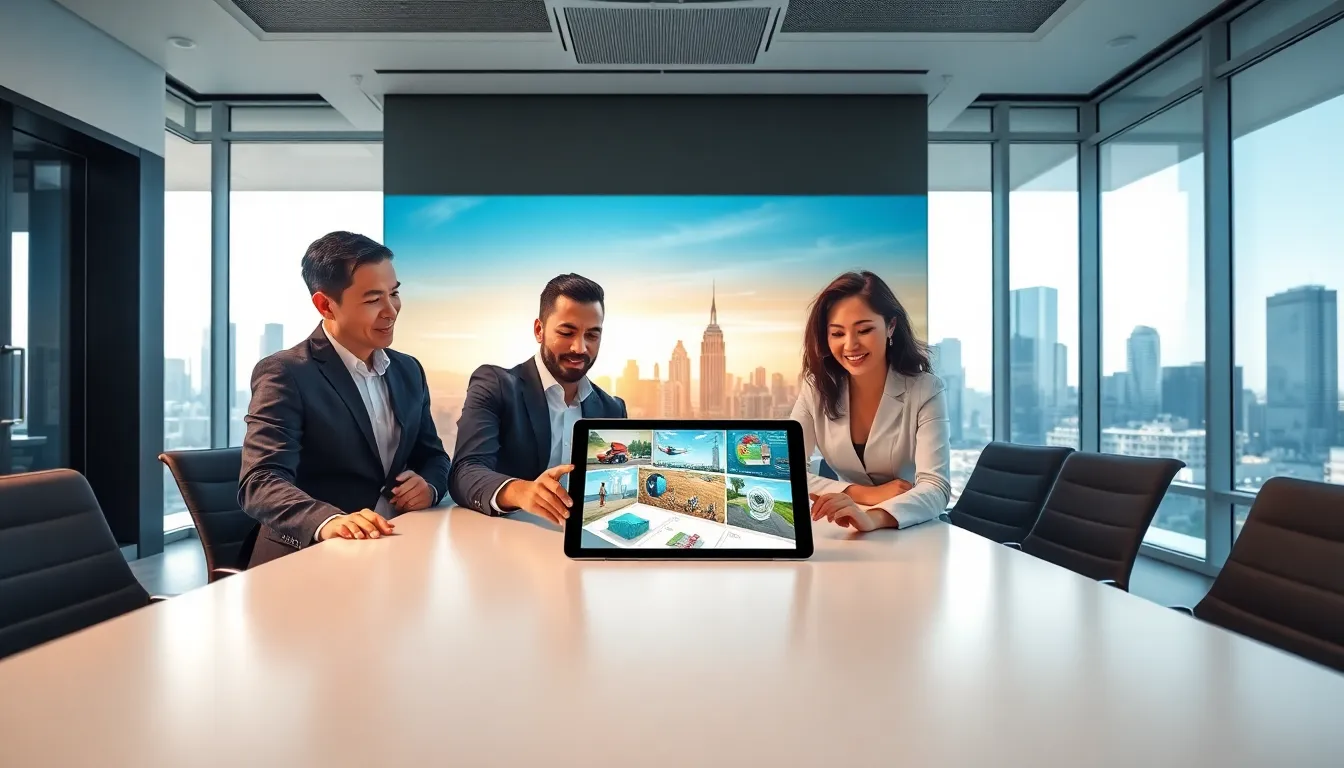
As AR technology matures, its applications expand beyond entertainment and gaming into sectors like education, healthcare, and real estate. Understanding the different types of AR can aid businesses in choosing solutions that suit their needs, whether it’s through enhancing customer experiences or improving operational efficiency.
Marker-Based Augmented Reality
Marker-based Augmented Reality is like the magician of the tech world, appearing unexpectedly through specific visual cues called markers. These markers, often QR codes or specific images, are scanned by a device to trigger an AR experience. Once the marker is detected, it leads to the overlay of digital content, ranging from animations to additional information, right on top of the marker itself.
This type of AR is commonly used in advertising, marketing campaigns, and educational tools. For instance, a textbook could have a QR code that, when scanned, opens a 3D model of a historical artifact, giving students an interactive learning experience. The amazing thing about marker-based AR is that it creates a direct link between the digital and physical worlds, making information both accessible and engaging.
Markerless Augmented Reality
If marker-based AR is the magician, then markerless AR is the comedian, bringing spontaneity and creativity to the table. This version does not rely on pre-defined markers but instead utilizes GPS, accelerometers, and other sensors to determine the best way to overlay digital content onto the real world.
Think of apps like Pokémon GO, where users can find and interact with virtual creatures in real-world locations, using real-time positioning data. The dynamic nature of markerless AR opens up countless possibilities, users aren’t tied to a specific location or surface to enjoy the AR experience. This flexibility is especially useful in gaming, tourism, and retail, where companies aim to create interactive and immersive user experiences.
Projection-Based Augmented Reality
Projection-based Augmented Reality is like having a personal light show, as it projects digital information or images onto physical surfaces. Users do not need any specific device to see the AR content: instead, they engage with the world as the projections appear.
This method is particularly practical in scenarios like presentations, events, or even art installations. An example could be a car show where a projection displays the inner workings of a vehicle right on its surface, providing insightful details without the need for interactive devices. This dynamic engagement not only captivates audiences but also fosters a deeper understanding of the physical objects being displayed.
Superimposition-Based Augmented Reality
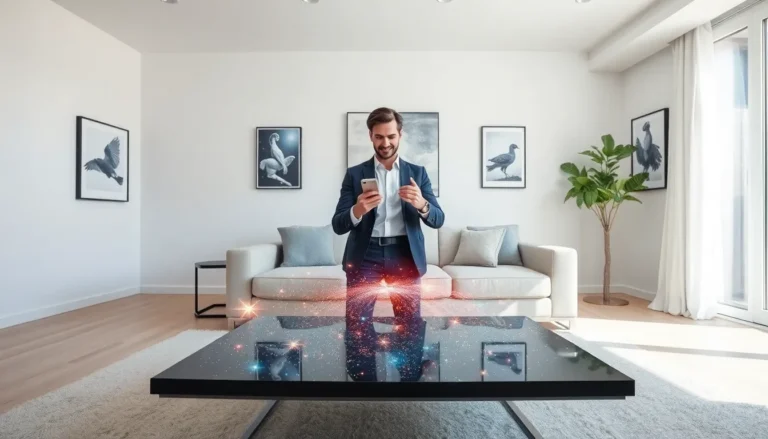
Superimposition-based Augmented Reality is the artist of the AR family, as it uses virtual content to completely replace or augment a user’s view of the real world. Think of it like a visual makeover through technology: when you look through a device such as AR glasses, you may see a beautifully remodeled version of your kitchen or added furniture, without lifting a finger.
This technology is widely utilized in interior design, allowing users to visualize how different items will appear in their space before making a purchase. In healthcare, doctors can use it to visualize organs and other bodily structures during surgeries, enhancing precision and care. With superimposition-based AR, the possibilities are virtually limitless.
Outlining the Future of Augmented Reality
The future of augmented reality is as bright as a starry night sky. As AR technology advances, numerous sectors will benefit from more integrated solutions that enhance user engagement and streamline processes. We are seeing increased interest in combining AR with Artificial Intelligence (AI) to create more personalized experiences.
Imagine walking into a retail store, and as you browse, AR enhances the layout by suggesting products based on your preferences, now that’s the kind of shopping experience everyone desires. Also, industries like education are beginning to embrace AR for training and skill acquisition, which could revolutionize learning methodologies. With a focus on user-friendly experiences and cutting-edge developments, the future of AR seems promising, offering endless opportunities for innovation and creativity.